Emergencies can happen anywhere—at work, in schools, at community events, or at home. Having someone nearby who knows how to respond with CPR, use an Automated External Defibrillator (AED), or provide basic first aid can make a meaningful difference while waiting for emergency medical services.
That’s why the American Heart Association Heartsaver Direct program was developed. Heartsaver Direct is the newest addition to the American Heart Association Heartsaver portfolio, offering a flexible way to complete First Aid, CPR, and AED training while maintaining the same high-quality educational standards found in traditional Heartsaver courses.
Designed to complement instructor-led, blended learning, and virtual Heartsaver programs, Heartsaver Direct provides a convenient training option for individuals and organizations that need workplace safety education. Like other American Heart Association Heartsaver courses, Heartsaver Direct is designed to meet OSHA and other regulatory requirements.
What Is Heartsaver Direct?
Heartsaver Direct is an American Heart Association training program created for individuals who need First Aid, CPR, and AED education for workplace or community response.
The program combines flexible learning with a required hands-on skills component, allowing participants to develop practical lifesaving skills while receiving the same high-quality education associated with other American Heart Association Heartsaver courses.
Heartsaver Direct expands the Heartsaver portfolio by providing another convenient training option for employees, organizations, schools, childcare providers, coaches, fitness professionals, and community members.
Heartsaver Direct Is Designed to Meet OSHA Requirements
Many employers require CPR and First Aid training as part of their workplace safety program. Depending on the work environment and applicable regulations, organizations may also need training that supports OSHA compliance.
The American Heart Association states that Heartsaver training programs are designed to meet OSHA and other regulatory requirements. Heartsaver Direct continues that tradition by providing high-quality First Aid, CPR, and AED education in a flexible format.
Organizations should always verify their own workplace training requirements, but Heartsaver Direct offers an excellent option for many businesses looking to improve emergency preparedness.
What You’ll Learn During Heartsaver Direct Training
Heartsaver Direct prepares participants to recognize emergencies and provide immediate assistance until emergency responders arrive.
Depending on the Heartsaver course selected, participants learn how to:
- Recognize medical emergencies
- Activate the emergency response system
- Perform adult CPR
- Operate an Automated External Defibrillator (AED)
- Assist someone who is choking
- Provide basic first aid
- Follow appropriate safety precautions
- Continue care until EMS arrives
These practical skills help participants respond with greater confidence in workplace and community emergencies.
Why Hands-On CPR and AED Practice Is Important
Reading about CPR is valuable, but performing CPR is a physical skill that improves through practice.
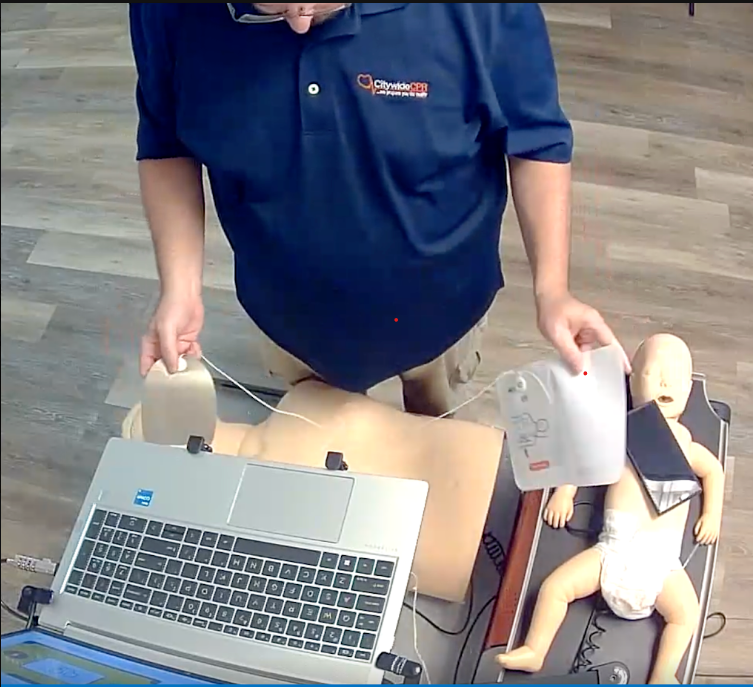
During Heartsaver Direct, participants complete a hands-on skills session using CPR manikins and AED training equipment. Practicing chest compressions, AED pad placement, and emergency response sequences helps learners build muscle memory and become more comfortable responding in real situations.
Hands-on experience reinforces what participants learned during the educational portion of the course and helps prepare them to respond effectively during emergencies.
Who Should Take Heartsaver Direct?
Heartsaver Direct is designed for individuals who need workplace or community CPR certification but are not required to complete healthcare-provider-level BLS Certification.
This course may be appropriate for:
- Teachers
- School staff
- Childcare providers
- Coaches
- Fitness professionals
- Construction workers
- Manufacturing employees
- Security personnel
- Office employees
- Workplace safety teams
- Community volunteers
Healthcare professionals and healthcare students should verify whether their employer or educational program requires American Heart Association BLS Certification, which is a separate course designed specifically for clinical providers.
Heartsaver Direct vs. Healthcare Provider BLS
While both Heartsaver Direct and BLS Certification teach CPR and AED skills, they are intended for different audiences.
Heartsaver Direct is designed primarily for workplace responders and members of the public who need First Aid, CPR, and AED training.
American Heart Association BLS Certification is intended for healthcare professionals who participate in patient care and clinical resuscitation. BLS includes healthcare-specific CPR techniques, team dynamics, and additional clinical content required by hospitals, nursing programs, EMS agencies, and many healthcare employers.
Selecting the correct course before registering helps ensure your certification meets your employer’s or organization’s requirements.
Citywide CPR Will Soon Offer Heartsaver Direct
Citywide CPR is excited to expand its training options by offering American Heart Association Heartsaver Direct at multiple locations.
This new program will provide individuals and organizations with another convenient way to complete high-quality First Aid, CPR, and AED training while maintaining the educational excellence expected from the American Heart Association.
Whether you’re preparing your workplace emergency response team, training school employees, or looking for CPR certification for your organization, Heartsaver Direct offers a flexible solution designed around today’s busy schedules.
Frequently Asked Questions
What is Heartsaver Direct?
Heartsaver Direct is the newest American Heart Association Heartsaver training option that combines flexible learning with hands-on First Aid, CPR, and AED skills practice.
Is Heartsaver Direct designed to meet OSHA requirements?
Yes. American Heart Association Heartsaver programs are designed to meet OSHA and other regulatory requirements.
Is Heartsaver Direct the same as BLS Certification?
No. Heartsaver Direct is intended primarily for workplace and community responders, while BLS Certification is designed for healthcare professionals.
Does Heartsaver Direct include hands-on skills?
Yes. Participants complete hands-on CPR, AED, and First Aid skills using training equipment.
Will Citywide CPR offer Heartsaver Direct?
Yes. Citywide CPR will be offering Heartsaver Direct at multiple training locations.
Conclusion
American Heart Association Heartsaver Direct provides a flexible way for individuals and organizations to complete high-quality First Aid, CPR, and AED training while meeting workplace safety objectives. Designed to complement the existing Heartsaver portfolio, the program combines convenient learning with essential hands-on skills practice.
As Citywide CPR expands Heartsaver Direct to multiple locations, more workplaces, schools, and community organizations will have access to convenient, evidence-based emergency response training that helps participants build confidence before an emergency occurs.
Interested in bringing American Heart Association Heartsaver Direct training to your workplace or organization?
For individual course availability or questions about upcoming Heartsaver Direct locations, contact Citywide CPR Customer Support at:
info@citywidecpr.com
For workplace groups, schools, businesses, and onsite training opportunities, visit:
https://www.citywidecpr.com/onsitetraining/
Our team can help you determine whether Heartsaver Direct is the right solution for your organization and discuss available training options.