Coordinating CPR training for an entire workplace can be challenging. Employees may work different shifts, managers need to maintain adequate staffing, and sending everyone to an offsite class can create unnecessary travel and scheduling conflicts.
For businesses that need to train multiple employees, group CPR training does not necessarily mean sending the entire staff away from the workplace at the same time. Depending on the organization’s needs, Citywide CPR can help coordinate group, onsite, and flexible individual training options.
Citywide CPR is an American Heart Association Training Center offering training options that can include CPR, AED, First Aid, BLS, ACLS and PALS, depending on the organization’s needs and applicable certification requirements.
How Can a Business Train Multiple Employees Without Sending Everyone Offsite?
A business can coordinate training around employee schedules by considering group training, onsite training, or individually scheduled skills sessions instead of automatically sending the entire staff to an offsite class.
The right approach depends on several factors, including:
- How many employees need training
- Which certifications employees need
- Whether employees work the same or different shifts
- Whether the organization can temporarily take employees away from their normal duties
- Whether reducing employee travel is a priority
- Whether employees are completing initial certification or renewal
- Whether everyone needs the same course
For some organizations, bringing training to the workplace may make sense. For others, allowing employees to complete training individually or in smaller groups may provide the scheduling flexibility they need.
The goal is to build a training plan around the organization’s operations rather than assuming every employee must follow the exact same schedule.
What Is Group CPR Training for Businesses?
Group CPR training is an organized approach to certifying multiple employees rather than having each employee independently arrange training without coordination from the organization.
A group training plan can be useful for businesses that want to keep employee certification organized and make sure the appropriate staff members complete their required training.
Depending on the organization, training may involve:
- CPR and AED
- First Aid
- BLS
- ACLS
- PALS
Not every employee will necessarily need the same certification. Requirements can vary according to job responsibilities, employer policies, organizational needs, and other applicable requirements.
For that reason, businesses should identify which employees need which courses before setting up a group training schedule.
Should a Business Bring CPR Training to the Workplace?
Onsite training can be an option when reducing employee travel and keeping staff at the workplace are important considerations.
Rather than requiring employees to travel individually to an outside training location, an organization can explore workplace training options designed around its staff and schedule.
Citywide CPR’s onsite CPR training and workplace training options are available for organizations looking to coordinate training for employees.
For businesses with multiple employees, the potential advantages of an onsite approach include:
- Less employee travel
- Easier coordination for managers
- Training at the organization’s workplace
- Greater flexibility around staffing schedules
- A centralized approach to coordinating employee certification
The appropriate arrangement depends on the organization’s location, training needs, schedule, and applicable course requirements.
What If Employees Cannot All Train at the Same Time?
Employees do not necessarily have to complete their training simultaneously when an individual or staggered training approach is appropriate.
This can be particularly helpful for businesses with:
- Multiple shifts
- Customer-facing employees
- Limited staffing coverage
- Employees working different schedules
- Multiple certification expiration dates
For applicable Citywide CPR pathways, employees may be able to complete required online learning and then schedule individual Self-Guided Skills Sessions at a CPR Verification Station™ learning center.
During the Self-Guided Skills Session, participants practice and perform their required skills using the applicable training equipment and feedback systems.
This provides another option for businesses that want to coordinate employee certification without necessarily removing the entire team from work at once.
How Can Group CPR Training Reduce Employee Travel?
One way to reduce travel is to bring applicable training or skills verification to the workplace rather than requiring every employee to travel to a separate training location.
Travel can become a significant scheduling consideration when a business has multiple employees who need certification.
A coordinated approach allows a manager to consider whether employees should:
- Complete training together.
- Train in smaller groups.
- Schedule individual skills sessions.
- Complete applicable training onsite.
- Use a combination of these approaches.
There is no single arrangement that works for every business. The best approach depends on the organization’s staffing structure and the certifications employees need.
How Does Portable CPR Skills Training Work?
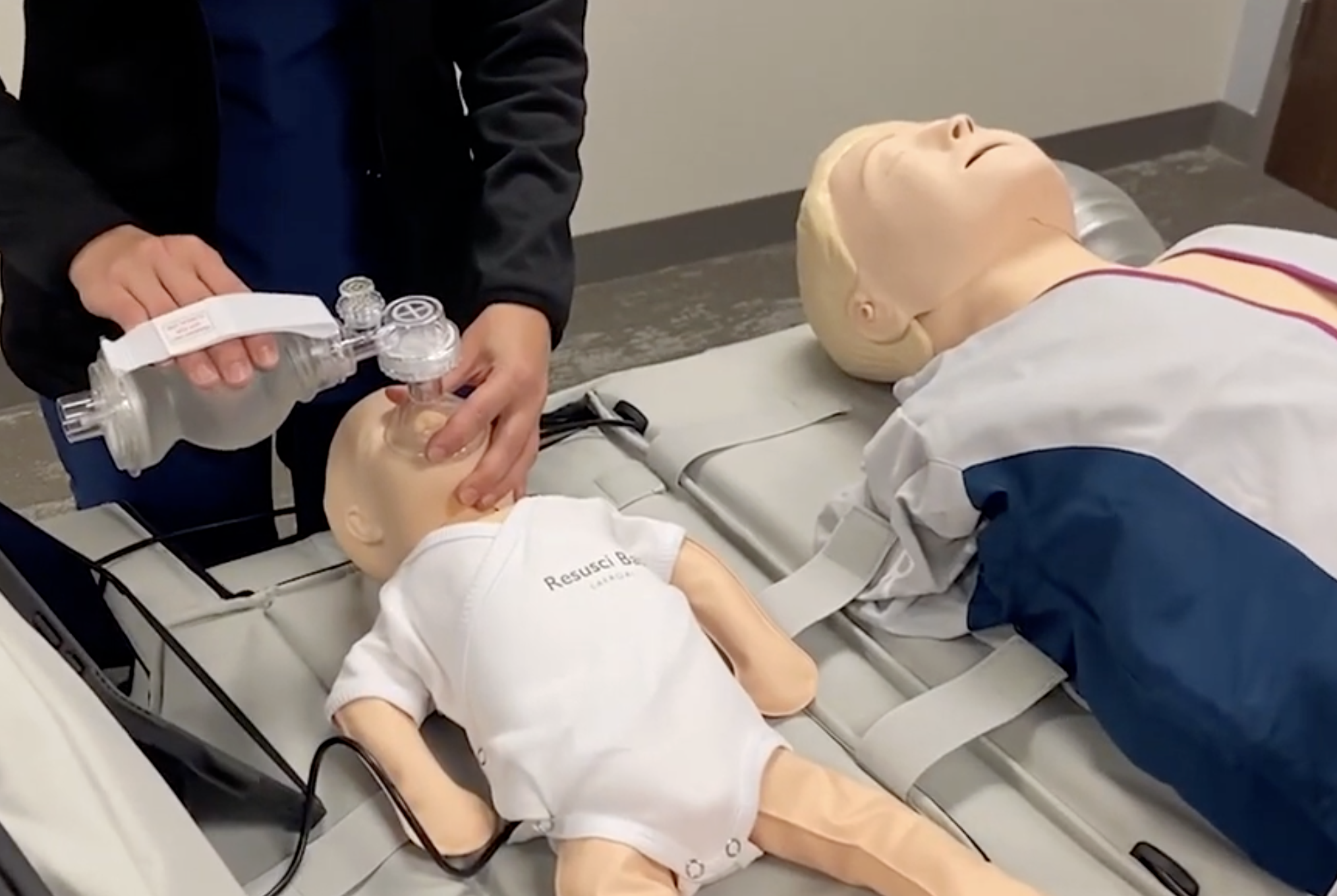
Portable CPR skills training can bring applicable CPR skills training and verification equipment directly to an organization.
Citywide CPR can use RQI-P GO as a portable option for applicable healthcare skills verification. In plain terms, the system allows appropriate CPR skills training and verification equipment to be brought to the organization’s facility rather than requiring employees to travel offsite.
The system provides real-time feedback during CPR skills performance.
For organizations that need to coordinate healthcare staff training, this type of portable approach can help address three common administrative challenges:
- Employee travel: Staff can complete applicable training at the workplace.
- Scheduling: Managers can coordinate training around normal operations.
- Time away from work: Employees may spend less time traveling to and from an outside training location.
RQI-P GO is one possible component of a broader staff-training plan; it does not mean every organization or course requires the same training arrangement.
What Certifications Can Businesses Coordinate for Employees?
Citywide CPR can support several types of American Heart Association and workplace training, depending on the organization’s needs.
CPR and AED Training
Businesses may coordinate CPR/AED training for employees who need applicable emergency-response training for their workplace responsibilities.
First Aid Training
First Aid training can be coordinated alongside CPR/AED training when an organization has employees who need both types of workplace training.
BLS Training
BLS may be appropriate for applicable healthcare professionals and healthcare staff. Organizations should confirm which employees require BLS based on their roles and applicable organizational requirements.
ACLS and PALS Training
Some healthcare organizations may have employees who need ACLS, PALS, or a combination of certifications in addition to BLS.
A business should not assume that every employee needs the same course. Instead, managers can identify the certification requirements for each employee or role before coordinating the training schedule.
How Should a Business Plan Group CPR Certification?
Start by identifying the employees who need training, the certifications they need, and the scheduling limitations of the workplace.
A simple planning process can look like this:
1. Identify Who Needs Training
Create a list of employees who need initial certification or renewal.
2. Identify the Appropriate Course
Determine whether each employee needs CPR/AED, First Aid, BLS, ACLS, PALS, or another applicable course.
3. Check Certification Expiration Dates
For employees renewing certifications, document expiration dates so training can be planned before credentials become an immediate scheduling issue.
4. Review Employee Schedules
Determine whether employees can train together or whether shifts require staggered appointments.
5. Choose the Training Arrangement
Consider group training, onsite training, smaller groups, or individually scheduled Self-Guided Skills Sessions.
6. Coordinate the Training
Once the organization’s needs are identified, contact the training provider with the relevant staff and scheduling information.
This process can make group CPR training easier to manage and help businesses avoid last-minute scheduling problems.
Is Group CPR Training Only for Large Companies?
No. Group training can be relevant to organizations of different sizes whenever multiple employees need coordinated certification or training.
A small office may need to train several employees at once, while a larger organization may need to coordinate training across multiple departments or shifts.
The number of employees is only one consideration. The more important questions are:
- What training does the organization need?
- How many employees need each course?
- Can employees leave the workplace?
- Do employees have different schedules?
- Would onsite or individual training be more practical?
These questions help determine the appropriate training arrangement.
What If Our Employees Need Different Certifications?
A business can organize training around different employee certification needs rather than assuming every employee must complete the same course.
For example, a healthcare organization may have some employees who need BLS while others may also need ACLS or PALS.
Similarly, a workplace may have employees who need CPR/AED and First Aid while another group has different role-specific training requirements.
Keeping a simple employee certification list can help managers track:
| Employee | Course Needed | Initial/Renewal | Expiration | Training Arrangement |
| Employee 1 | BLS | Renewal | Date | Individual/Group |
| Employee 2 | BLS | Initial | Date | Individual/Group |
| Employee 3 | ACLS | Renewal | Date | Group/Onsite |
| Employee 4 | CPR/AED | Initial | Date | Group/Onsite |
The exact courses and requirements should be confirmed for the organization’s employees.
How Can Businesses Coordinate CPR Training Around Work Schedules?
The key is to plan training around the organization’s staffing model instead of treating employee certification as a one-size-fits-all event.
A business may choose to:
- Train employees during a coordinated group session.
- Schedule smaller groups.
- Send employees individually to Self-Guided Skills Sessions.
- Coordinate onsite training.
- Use portable skills verification where applicable.
- Stagger renewal appointments throughout the year.
For organizations where taking multiple employees away from work at the same time would be difficult, these options can provide more flexibility.
How Do I Arrange Group CPR Training for My Business?
The first step is to identify how many employees need training, which certifications they need, and what scheduling limitations your organization has.
When contacting Citywide CPR, be prepared to provide information such as:
- Number of employees
- Courses needed
- Initial certification or renewal
- Preferred training arrangement
- Employee scheduling considerations
- Workplace location
- Whether onsite training is preferred
Citywide CPR can then discuss the available training options that may fit the organization’s needs.
Request Staff Training for Your Organization
If your business needs to coordinate CPR certification for multiple employees, you do not necessarily have to send everyone to separate classes or take the entire staff away from work at the same time.
Citywide CPR can help organizations explore group, workplace, and flexible staff-training options based on their training needs and schedules.
Frequently Asked Questions About Group CPR Training for Businesses
Does Citywide CPR offer group CPR training for businesses?
Citywide CPR offers organizational training options for businesses and other organizations that need to coordinate training for multiple employees. Depending on the organization’s needs, options may include group, onsite, or individually scheduled training.
Can CPR training be provided at our workplace?
Yes. Citywide CPR offers onsite training options for organizations that want to coordinate applicable training at their workplace. The specific arrangement depends on the organization’s training needs and applicable course requirements.
What if our employees work different shifts?
Different shifts do not necessarily mean every employee has to train at the same time. Organizations can consider staggered training, smaller groups, individual Self-Guided Skills Sessions, or applicable onsite options.
Can employees complete their CPR skills sessions individually?
For applicable Citywide CPR pathways, employees can complete the required online learning and individually schedule a Self-Guided Skills Session at a CPR Verification Station™ learning center.
Does Citywide CPR offer BLS training for groups?
Citywide CPR offers BLS training options for healthcare organizations and staff groups. The appropriate pathway depends on the employees’ needs, current training status, and applicable course requirements.
Can businesses coordinate ACLS or PALS training for employees?
Yes. Citywide CPR supports organizational training needs that may include ACLS and PALS, in addition to BLS. Not every employee necessarily needs these certifications, so organizations should first determine which courses apply to each employee.
What is RQI-P GO?
RQI-P GO is a portable CPR skills training and verification system that can be brought to applicable healthcare organizations. It provides real-time feedback during CPR skills performance and can help reduce employee travel when onsite training is appropriate.
How can a business minimize time away from work for CPR certification?
Businesses can consider onsite training, staggered group sessions, smaller groups, or individually scheduled skills sessions. The appropriate approach depends on employee schedules, certification needs, and the organization’s ability to provide staffing coverage.
Do all employees need the same CPR certification?
No. Training needs can vary based on an employee’s role, responsibilities, employer requirements, and organizational policies. Businesses should determine the appropriate training for each employee rather than assuming everyone needs the same certification.