Keeping employees trained in CPR, AED use, and First Aid can be easier when the training comes to the workplace instead of requiring every employee to travel to a separate class. Citywide CPR, an American Heart Association Training Center, provides onsite training options for businesses, healthcare organizations, schools, offices, and other workplace teams.
Depending on the course, organization, and training arrangement, Citywide CPR can provide instructor-led group training or portable Self-Guided skills verification. These options give organizations different ways to coordinate certification while considering employee schedules, operational needs, and the type of training required.
Bring CPR and First Aid Training to Your Workplace
Onsite CPR training can be a practical option for organizations that want employees to complete training at their own facility. Rather than coordinating separate appointments for every employee, an organization can discuss its training needs with Citywide CPR and explore an appropriate group or portable arrangement.
Workplace needs vary considerably. A corporate office may need Heartsaver CPR AED training, while a healthcare organization may need BLS, ACLS, or PALS for clinical staff. A school or childcare organization may have additional pediatric or First Aid requirements. The right course depends on employee responsibilities, organizational policies, and applicable requirements.
Organizations can review Citywide CPR’s onsite training options and provide information about their location, participants, preferred schedule, and certification needs.
What Onsite Training Options Does Citywide CPR Offer?
Citywide CPR offers more than one way for organizations to coordinate training. The appropriate option depends on the course being requested, the organization’s goals, participant requirements, and the arrangement available for that program.
Instructor-Led CPR, AED & First Aid Group Training
Instructor-led onsite training provides a traditional group-training experience at the organization’s facility. An instructor guides participants through the applicable course material and hands-on training, making this format useful for organizations that want employees to train together.
Depending on the organization’s needs, onsite programs may include CPR, AED, First Aid, BLS, ACLS, PALS, or other applicable training. Not every course is automatically available in every delivery format, so organizations should discuss their requirements with Citywide CPR before scheduling.
For workplace CPR and First Aid needs specifically, Citywide CPR also provides CPR and First Aid training for staff designed for organizations coordinating Heartsaver training and related workplace certification.
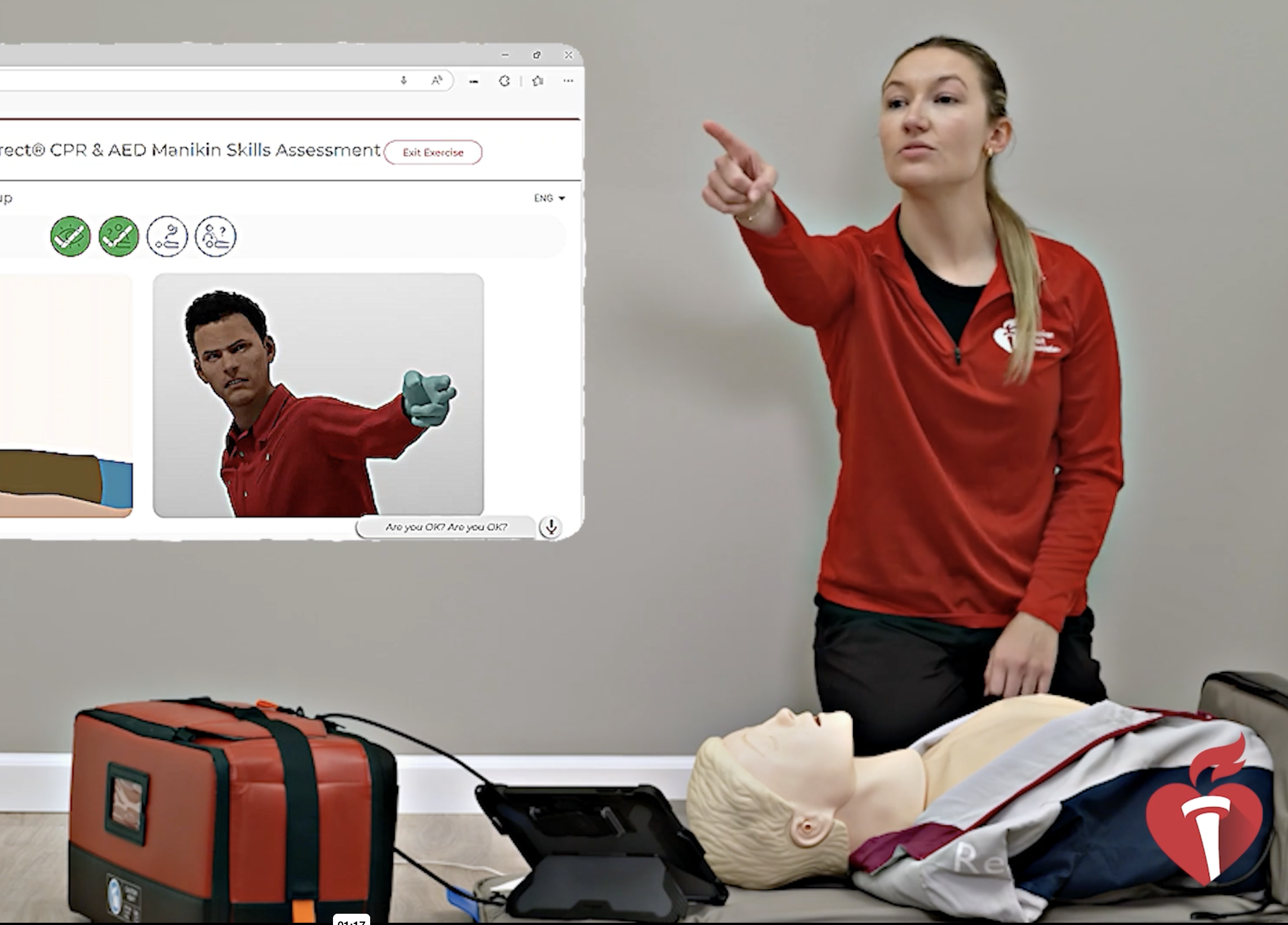
Portable Self-Guided CPR Training with the RQI-P GO System
For qualifying healthcare organizations, Citywide CPR’s RQI-P GO system provides another approach: portable Self-Guided skills verification that can be brought to an organization’s facility.
RQI-P GO is not simply a traditional instructor-led class moved into a portable case. It is a portable CPR skills training and verification system that uses simulation technology and real-time feedback. Eligible participants complete the applicable AHA online coursework and then use the portable system to practice and perform required hands-on skills.
The system can provide real-time audio and visual feedback related to CPR performance, including compression depth, rate, recoil, and ventilation. The appropriate course and arrangement must be confirmed with Citywide CPR because eligibility and requirements can vary.
How Does Portable CPR Training Work at Your Facility?
For an eligible organization using RQI-P GO, participants first complete the applicable AHA online learning required for their certification pathway. The hands-on portion can then be coordinated using the portable equipment at the organization’s facility when the arrangement is appropriate.
This can help reduce employee travel and make it easier to coordinate training around shifts, patient-care responsibilities, workplace operations, or other scheduling considerations. Employees can complete the hands-on component at the facility rather than each person independently traveling to a fixed Citywide CPR Verification Station.
Portable Self-Guided training remains different from instructor-led training. The RQI-P GO system guides participants through the applicable hands-on skills experience and provides real-time feedback rather than replacing the experience with a traditional classroom instructor.
Citywide CPR’s Self-Guided CPR Training page provides additional information about how technology-guided skills training works.
Who Can Benefit from Onsite CPR and First Aid Training?
Organizations of many types may benefit from coordinating CPR, AED, First Aid, or healthcare-provider certification at their own facility. The most appropriate training depends on the employees being trained and the requirements associated with their roles.
Healthcare Facilities and Medical Teams
Healthcare organizations may have employees who require different AHA certifications based on their clinical responsibilities. One team may need BLS, while other providers may require ACLS or PALS.
Citywide CPR helps healthcare organizations coordinate AHA training through fixed-location Self-Guided Skills Sessions and portable options such as RQI-P GO. Organizations can review BLS, ACLS and PALS training for healthcare staff to explore available approaches.
Healthcare employers should identify which certifications each employee needs rather than assuming the entire staff requires the same course.
Offices, Businesses and Corporate Workplaces
Office employees and other non-healthcare workers may need Heartsaver CPR AED, First Aid, or a combination of CPR, AED, and First Aid training depending on workplace responsibilities and organizational policies.
Onsite group training can allow employees to complete appropriate training together at their facility. For organizations that qualify for portable training options, bringing the training solution onsite may also reduce the need for employees to travel individually.
Schools, Childcare Organizations and Community Groups
Schools, childcare organizations, community groups, fitness organizations, hospitality businesses, and other teams may have CPR, AED, First Aid, or pediatric training needs.
Organizations should identify whether adult, child, or infant CPR is required before selecting a course and delivery format. Not every Self-Guided or portable option includes the same skills. For example, Citywide CPR’s Heartsaver Direct Self-Guided option currently supports adult and child CPR but does not include infant CPR.
If infant CPR or another specialized skill is required, discuss the requirement with Citywide CPR before selecting a training format.
Can Employees Complete AHA BLS, ACLS or PALS Training Onsite?
Potentially, depending on the certification, participant eligibility, and training arrangement. Citywide CPR provides AHA BLS, ACLS, and PALS certification and renewal options for eligible healthcare professionals, and organizations can discuss onsite and portable training solutions.
For applicable blended-learning pathways, employees generally complete the required AHA online coursework before completing the required hands-on skills component. With RQI-P GO, eligible healthcare employees can use portable equipment for the hands-on skills experience when the organization’s arrangement qualifies.
Organizations should not assume that every BLS, ACLS, or PALS course is available through every onsite format. The appropriate course and delivery method should be confirmed with Citywide CPR before scheduling.
What Is the Difference Between Instructor-Led and Self-Guided Training?
The primary difference is how participants receive instruction and complete the hands-on portion.
Instructor-led training involves a qualified instructor guiding the group through the applicable course and hands-on learning experience. It is a traditional group-training format and may be appropriate when an organization wants employees to learn together with an instructor at the workplace.
Self-Guided training uses technology to guide eligible participants through the hands-on skills experience. With RQI-P GO, the Self-Guided system is portable and can potentially be brought to a qualifying healthcare organization’s facility.
A fixed Citywide CPR Verification Station provides another Self-Guided option, with individual participants traveling to a participating Citywide CPR location for their skills session. The best choice depends on the course, employee schedules, organizational requirements, and available training arrangements.
Why Choose Citywide CPR for Workplace CPR Training?
Citywide CPR is an American Heart Association Training Center offering certification and renewal options for healthcare professionals, individuals, and organizations.
For organizations, the benefit of having multiple training pathways is flexibility. A company may need instructor-led onsite training for one group, individual Self-Guided appointments for another, or portable RQI-P GO skills verification for an eligible healthcare team.
The goal is to match the training format to the organization’s actual needs rather than assuming every workplace requires the same solution. Citywide CPR’s onsite training program allows organizations to provide information about their participants, location, course needs, and preferred timing so the appropriate arrangement can be discussed.
Where applicable, the official American Heart Association eCard is processed the same day after successful completion of course requirements and the skills session.
Request Onsite CPR, AED or First Aid Training for Your Team
If your organization needs workplace CPR certification, AED training, First Aid certification, or healthcare-provider training, start by identifying which employees need training and which certification their roles require.
Consider whether your team would benefit from instructor-led group training, individual Self-Guided appointments at a participating location, or a portable solution such as RQI-P GO for an eligible healthcare program. Factors such as employee schedules, workplace operations, location, course requirements, and whether employees need initial certification or renewal can all affect the best approach.
When you’re ready to discuss your options, visit Citywide CPR’s onsite training request page and provide your organization’s training needs. Citywide CPR can help you explore the appropriate CPR, AED, First Aid, BLS, ACLS, or PALS training arrangement for your team.