First Aid CPR Training – Complete Guide
Welcome to your complete resource for First Aid CPR Training. Whether you are a healthcare professional, a concerned parent, a workplace safety officer, or someone who simply wants to be prepared to help in an emergency, this guide covers everything you need to know. We will explore what the training involves, why it is critical, the different types of courses available, how to get certified, and the rewarding career paths it can open up.
What is First Aid CPR Training?
First Aid CPR Training is an educational program that teaches individuals how to respond to medical emergencies. It combines two essential life-saving skill sets:
CPR (Cardiopulmonary Resuscitation): An emergency procedure performed when someone’s heart stops beating (cardiac arrest). It combines chest compressions to pump blood through the body and rescue breaths to provide oxygen.
First Aid: The initial assistance or treatment given to someone who is injured or suddenly becomes ill before professional medical help arrives. This can include treating wounds, burns, fractures, choking, and allergic reactions.
Importance in Emergencies
The first few minutes after a medical emergency are critical. When a person suffers a cardiac arrest, their chance of survival decreases by 7-10% for every minute that passes without CPR and defibrillation . Immediate action by a trained bystander can double or even triple a victim’s chance of survival.
Who Should Learn It?
The simple answer is: everyone. However, it is particularly vital for:
Parents, grandparents, and childcare providers
Teachers, coaches, and youth group leaders
Healthcare workers and first responders
Workplace safety officers and employees in high-risk industries
Anyone who wants to be a more confident and capable community member
Why First Aid CPR Training is Important
The need for widespread CPR and First Aid training cannot be overstated. It is a critical link in the “chain of survival” that connects a victim of sudden cardiac arrest with professional medical care.Statistics on Cardiac Arrests and Emergencies
According to the American Heart Association, more than 350,000 out-of-hospital cardiac arrests occur in the United States each year. Sadly, about 90% of people who suffer out-of-hospital cardiac arrests die. However, when CPR is administered immediately, it can significantly improve the odds of survival.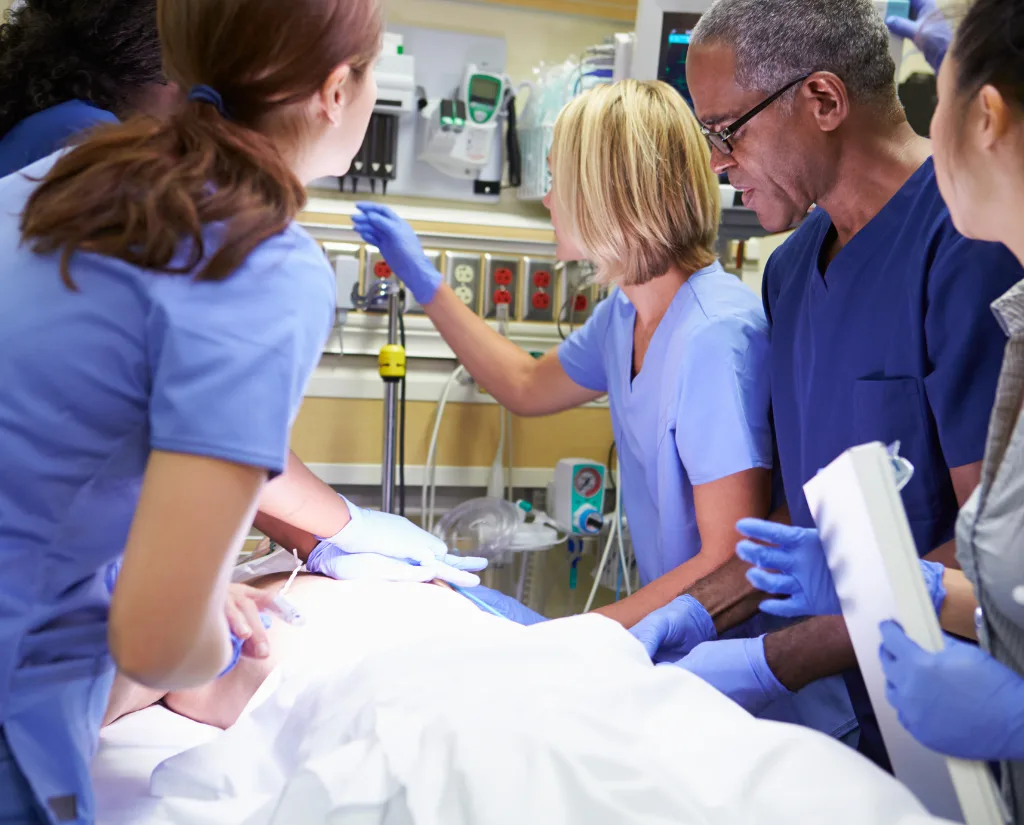
Workplace and Legal Requirements
Many industries have specific requirements for first aid and CPR training. The Occupational Safety and Health Administration (OSHA), for example, requires that workplaces have a person or team adequately trained to render first aid, especially in settings where medical help is not immediately available . Having trained staff not only ensures compliance but also fosters a safer work environment and reduces the severity of workplace incidents.Life-Saving Potential
Ultimately, this training is about empowering ordinary people to become extraordinary heroes. A trained individual is more likely to act confidently and effectively in an emergency, providing crucial care that can stabilize a victim until paramedics arrive. This knowledge transforms bystanders into immediate responders.Types of CPR Training
Not all CPR courses are the same. Training is tailored to different audiences and skill levels, from the general public to healthcare providers.Basic CPR
These courses are designed for the general public, workplace responders, and anyone who wants to learn the fundamentals.
Adult CPR: Focuses on the techniques for helping adults and adolescents, including chest compressions, rescue breaths, and how to recognize the signs of cardiac arrest.
Hands-only CPR: A simplified version recommended for untrained bystanders or those uncomfortable with giving rescue breaths. It involves calling 911 and pushing hard and fast in the center of the chest until help arrives.
Advanced CPR
These courses are intended for healthcare providers, lifeguards, and other professional rescuers who require more in-depth knowledge and skills.
AED Training: Automated External Defibrillators (AEDs) are portable devices that can analyze the heart’s rhythm and deliver an electric shock to restore a normal heartbeat. Most CPR courses now integrate training on how to use an AED safely and effectively.
Pediatric CPR: This course focuses on the unique techniques required for infants and children, as their bodies are smaller and more delicate. It covers child and infant CPR, as well as how to manage common pediatric emergencies like choking.
Non Medical First Aid, CPR, AED, Pediatric, and/or Bloodborne Pathogens Virtual Training
Online vs In-Person Classes
The format of training has evolved to offer flexibility.
Advantages of Online Theory Courses: Online “blended learning” courses allow students to complete the cognitive portion of the training at their own pace, covering the science, steps, and protocols.
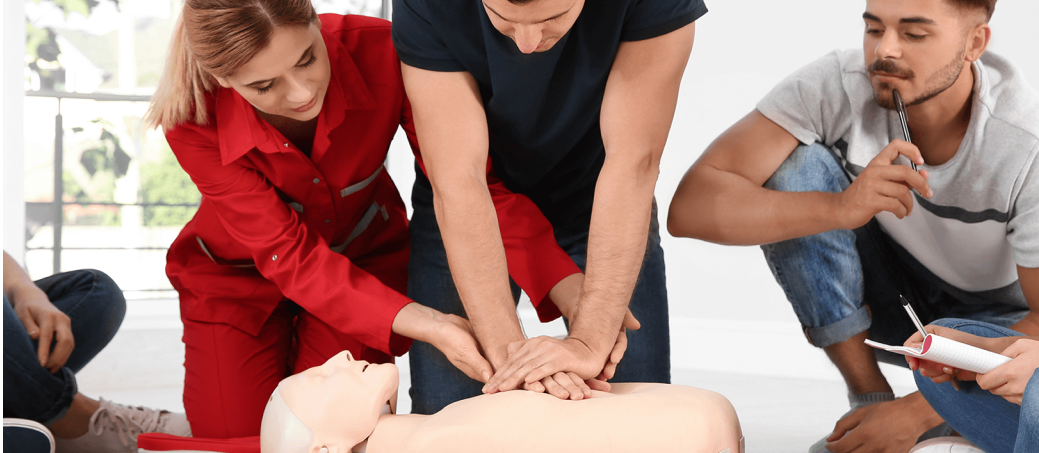
Importance of Hands-on Practice: Regardless of online theory, hands-on practice is non-negotiable. The psychomotor skills of CPR—proper hand placement, correct compression depth and rate—must be practiced on a manikin under the guidance of a certified instructor. This “skills check” session is a mandatory part of certification for reputable organizations.

How to Get CPR Certified
Getting certified is a straightforward process that equips you with skills for life.
Step-by-Step Guide for Certification
Find a Reputable Course: Search for courses from trusted providers in your area.
Register: Sign up for a course that matches your needs (e.g., Basic Life Support, Heartsaver CPR/AED).
Complete the Training (or Blended Learning): Attend an in-person class or complete the online theory portion.
Pass the Skills Test: Demonstrate your proficiency in performing CPR and using an AED on a manikin to a certified instructor.
Receive Your Certification: Upon successful completion, you will receive a certification card, which is typically valid for two years.
Why Train With Citywide CPR
Stay Compliant
Our courses meet all federal, state and local CPR requirements.
Flexible Options
Schedule an Onsite Class or Go Virtual. Training is tailored to your unique needs and working environment.
Conevenient
We work around your schedule to offer training and solutions when it works best for you.
Save Time and Money
Our prices are very competitive, without sacrificing the quality of our services!
Renewal Process and Validity
CPR guidelines and techniques are updated regularly based on the latest scientific research. Therefore, certifications are valid for only two years . To renew, you must take a “renewal course,” which is often shorter than a full initial course, as it assumes you have prior knowledge and focuses on updating skills and practicing technique.
Top CPR Training Tips
To become a proficient and confident rescuer, consider these tips:
Practice Regularly on Manikins: Muscle memory is key. If you have access to a manikin, practice your compressions and breaths periodically to keep your skills sharp.
Attend Refresher Courses: Even before your two-year renewal is due, attending a short refresher or practice session can help maintain your confidence and competence.
Learn to Use AED Devices: Familiarize yourself with the look and sound of an AED. They are designed to be user-friendly, providing clear voice prompts, but practicing with one removes any hesitation in a real emergency.
Follow the Latest Guidelines: Stay informed about updates from the AHA or Red Cross. Knowing the current recommendations for compression depth and rate ensures you are providing the most effective care.
Career Opportunities After CPR Training
A CPR certification is more than just a life skill; it is a valuable credential that can open doors to numerous career paths.
Healthcare Careers
For those pursuing a career in medicine, CPR training is the first step.
Nurses (RN, LPN)
Paramedics and Emergency Medical Technicians (EMTs)
Doctors and Physician Assistants
Dental Hygienists and Medical Assistants
CPR Instructor or Trainer
For those passionate about teaching, becoming a CPR instructor is a rewarding way to spread life-saving knowledge. Organizations like the AHA and Red Cross have pathways for certified individuals to become instructors, allowing them to teach and certify others.
Volunteering Opportunities in Community Safety
Your certification can also be a tremendous asset to your community. You can volunteer with local disaster response teams, coach youth sports with confidence, or serve as a first aid attendant at community events.
First Aid and CPR Resources
Here are some resources to support your training journey and preparedness.
Recommended Books, Videos, and Online Courses: Look for the official provider manuals from the AHA or Red Cross. YouTube also has official channels with demonstration videos from these organizations.
CPR Certification Checklist: Before your class, ensure you have comfortable clothing (you’ll be kneeling on the floor), and any course materials sent by your instructor.
Emergency Contact Resources: Keep a list of local emergency numbers handy. Program the number for Poison Control (1-800-222-1222 in the U.S.) into your phone.
Frequently Asked Questions (FAQ)
Q1: How long does CPR certification last? A: Typically, CPR certification is valid for two years from the date of course completion, after which you must take a renewal course to stay current with the latest guidelines.
Q2: Can I complete CPR training online? A: You can complete the cognitive or “knowledge” portion of the training online through blended learning courses. However, to receive official certification, you must attend an in-person “skills session” to demonstrate your practical abilities to a certified instructor.
Q3: What is the cost of CPR certification? A: Costs can vary depending on the organization, the level of certification (e.g., basic vs. BLS for healthcare providers), and your location. Generally, you can expect to pay between $50 and $150.
Q4: Is CPR training mandatory in workplaces? A: While not universally mandatory for all workplaces, OSHA standards require that a person be adequately trained to render first aid in workplaces that are not near a hospital or clinic. It is always best to check your local regulations and your specific company’s safety policies