When Will I Receive My AHA eCard After My Skills Session?

Healthcare professional viewing an American Heart Association eCard after completing CPR certification.

When Will I Receive My AHA eCard After My Skills Session? One of the most common questions healthcare professionals ask after completing their American Heart Association (AHA) skills session is, “When will I receive my AHA eCard?” Whether you’re certifying for a new job, renewing your credentials, or meeting a school requirement, receiving your certification … Read more

What Topics Are Covered in ACLS Training?

Healthcare professional completing American Heart Association ACLS certification training.

If you’re preparing for an American Heart Association (AHA) Advanced Cardiovascular Life Support (ACLS) course, you may be wondering exactly what you’ll learn. ACLS training builds upon Basic Life Support (BLS) and teaches healthcare professionals how to recognize, manage, and treat life-threatening cardiovascular emergencies using evidence-based AHA guidelines. Whether you’re a nurse, physician, paramedic, respiratory … Read more

What to Expect During Your AHA BLS, ACLS, or PALS Skills Session

If you’ve never completed a self-guided CPR skills session before, you may be wondering what to expect when you arrive. At Citywide CPR, healthcare professionals complete their hands-on BLS, ACLS, and PALS skills using American Heart Association RQI technology, allowing them to certify on a flexible schedule without waiting for a traditional classroom course. What … Read more

A Look Inside a Citywide CPR Skills Session

Healthcare professional performing ventilations during a CPR skills session

If you’ve never completed a self-guided CPR skills session before, you may be wondering what to expect when you arrive. At Citywide CPR, healthcare professionals complete their hands-on BLS, ACLS, and PALS skills using American Heart Association RQI technology, allowing them to certify on a flexible schedule without waiting for a traditional classroom course. What … Read more

Starting a New Healthcare Job? Here’s How to Complete Your BLS, ACLS, or PALS Certification

Starting a new healthcare position is exciting, but it often comes with a long checklist of requirements. Between onboarding paperwork, training modules, scheduling, and preparing for your new role, obtaining or renewing your CPR certification can feel like one more task competing for your time. Whether you’re a recent graduate, an experienced healthcare professional changing … Read more

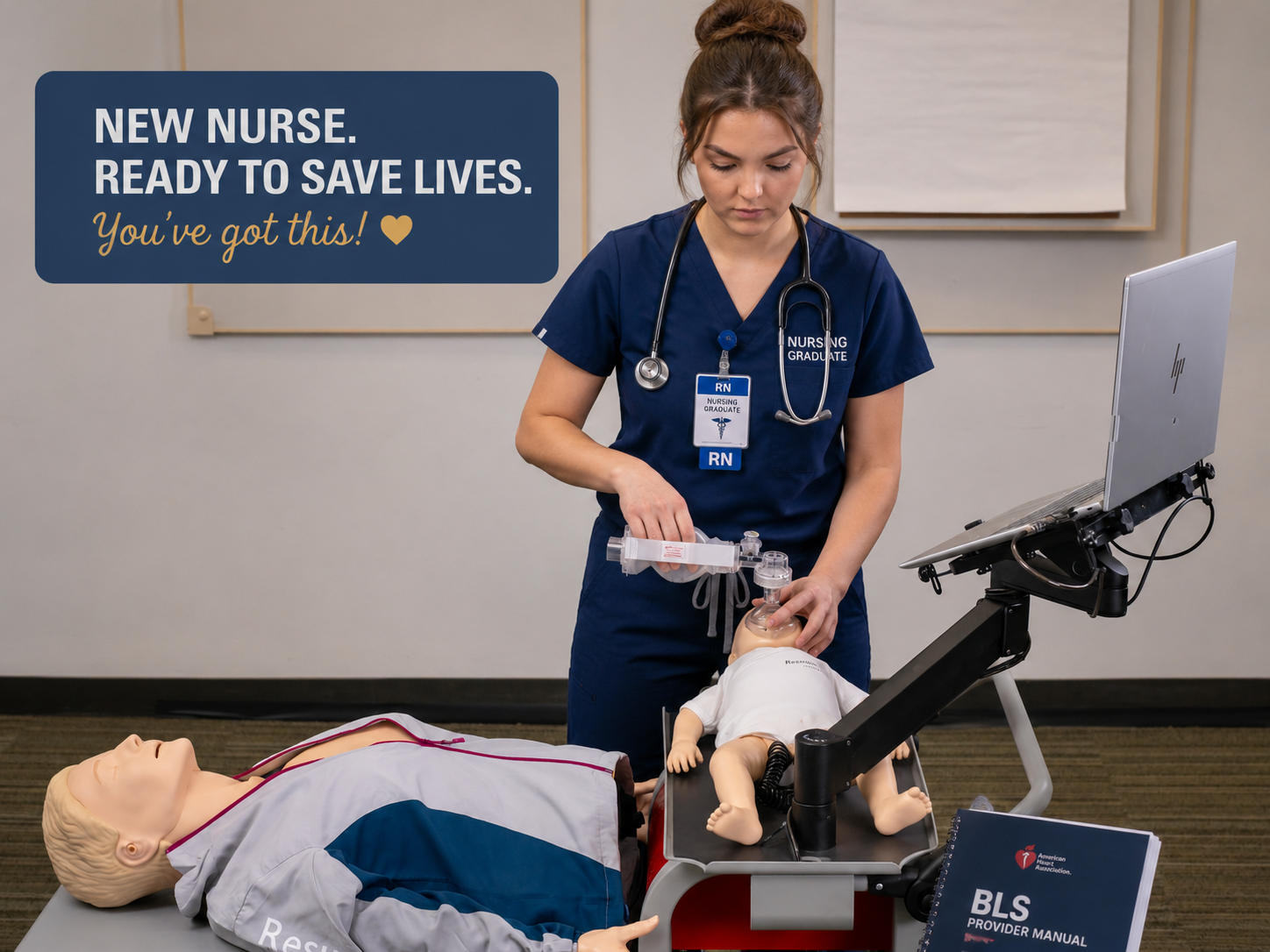
New Nursing Grad? Here’s a Faster Way to Complete Your BLS, ACLS, or PALS Certification

New Graduate CPR Certification Discount To help support new healthcare graduates entering the field, Citywide CPR is currently offering: 💥 $15 OFF 💥 Use Code: NEWGRADS26 Valid for eligible AHA BLS, ACLS, and PALS certification courses. Graduating nursing school is a huge accomplishment — but for many new healthcare professionals, the next step is making … Read more

Why CPR & AED Preparedness Matters for Sports Facilities

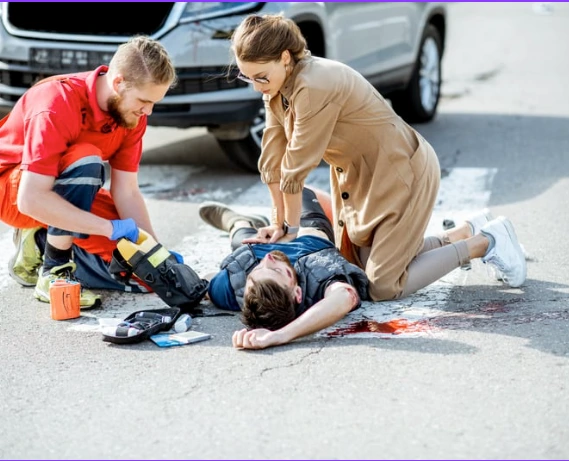
Sudden cardiac emergencies can happen anywhere, including sports facilities, schools, and workplaces. Having trained staff and accessible AED equipment can make a critical difference before EMS personnel arrive. Why CPR & AED Preparedness Matters Immediate CPR and access to an AED can help save lives during sudden cardiac emergencies. Organizations that prepare ahead of time … Read more

ACLS vs BLS: Key Differences in Life-Saving Certifications

Understanding the difference between ACLS vs BLS is essential for healthcare professionals seeking certification. BLS (Basic Life Support) focuses on foundational emergency care like CPR (cardiopulmonary resuscitation), chest compressions, and (Automated External Defibrillator) AED use. Whereas, ACLS (Advanced Cardiovascular Life Support) goes a step further, it covers advance skills such as ECG interpretation, medication administration, … Read more

How Long Is a CPR Certification Good For?

How long does a CPR certification last is a common question from professionals that need to stay compliant for job or licensing requirements. Most CPR (Cardiopulmonary Resuscitation) certifications are valid for two years for most providers. Your certification card, or AHA e-Card should have your renewal or expiration date written on it. Knowing when and … Read more