PALS EDUCATIONAL GUIDE
PALS Study Guide
Review the key concepts commonly introduced during the HeartCode PALS eLearning course before beginning your PALS certification.
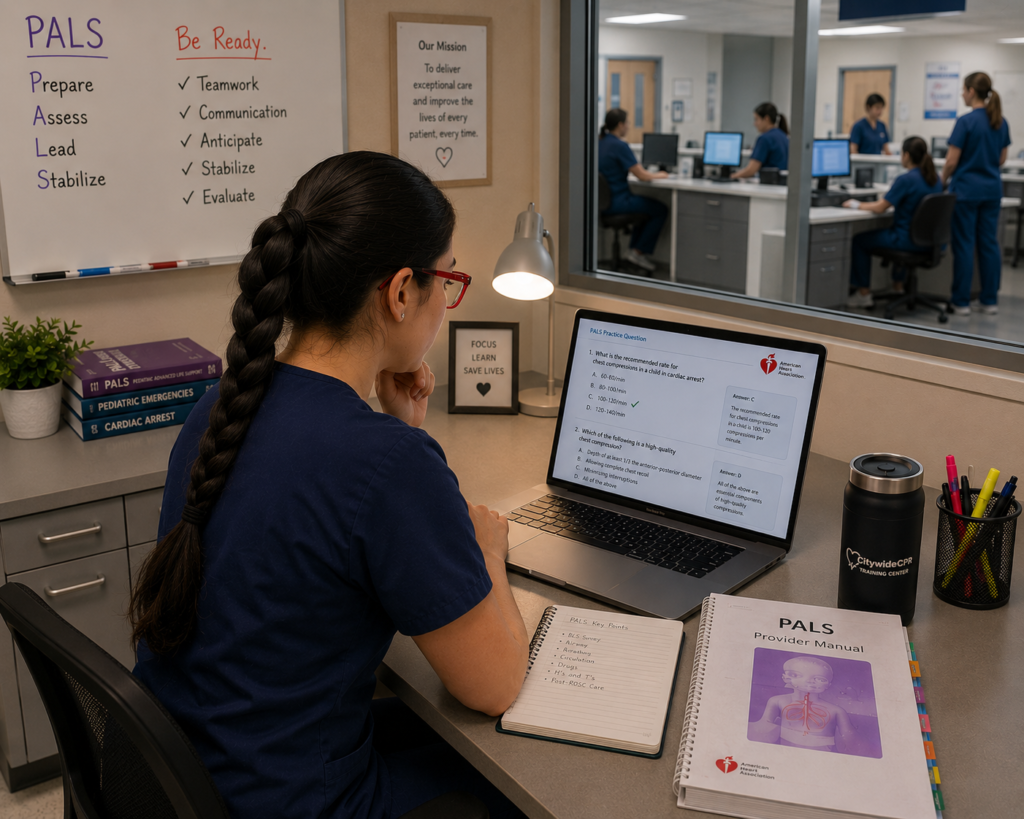
Review the key concepts commonly introduced during the HeartCode PALS eLearning course before beginning your PALS certification.
This study guide provides an overview of important concepts introduced during the American Heart Association HeartCode PALS eLearning course. It is designed to reinforce pediatric emergency cardiovascular care concepts and supplement—but not replace—the official American Heart Association course materials.
Pediatric Advanced Life Support (PALS) prepares healthcare professionals to recognize and respond to pediatric emergencies. During the HeartCode PALS eLearning course, students learn pediatric assessment, rhythm recognition concepts, communication, teamwork, and evidence-based emergency cardiovascular care.
Healthcare professionals commonly requiring PALS certification include:
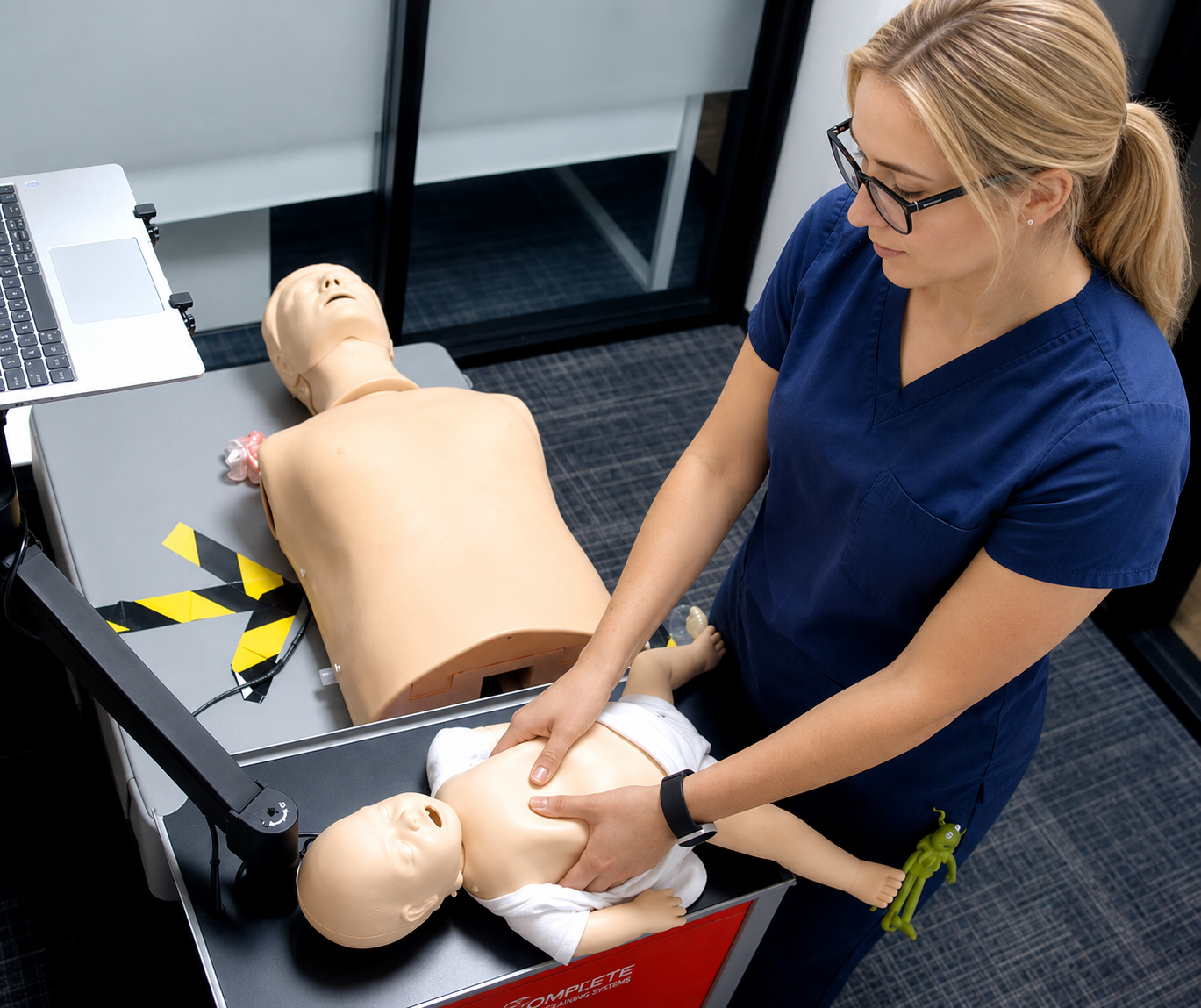
The HeartCode PALS eLearning course introduces healthcare professionals to pediatric emergency cardiovascular care while emphasizing patient assessment, communication, and evidence-based treatment concepts.
Topics commonly covered include:
Reviewing pediatric emergency care concepts before beginning the HeartCode PALS eLearning course can help reinforce your understanding of pediatric advanced life support. The in-person PALS skills session focuses on demonstrating high-quality CPR skills rather than reviewing advanced pediatric concepts.
American Heart Association PALS certification is typically valid for two years.
PALS certification is intended for healthcare professionals who care for infants and children in emergency or critical care settings.
Yes. BLS teaches the fundamentals of high-quality CPR, while PALS builds upon those skills by introducing advanced pediatric emergency cardiovascular care concepts during the HeartCode PALS eLearning course.
Yes. Students complete the HeartCode PALS eLearning course before attending the in-person skills session, which focuses on demonstrating high-quality CPR skills.